About the photography of Alexander Rodchenko and the making of this film in Moscow.
By Michael Craig 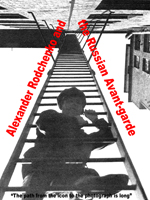
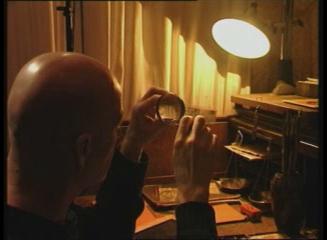
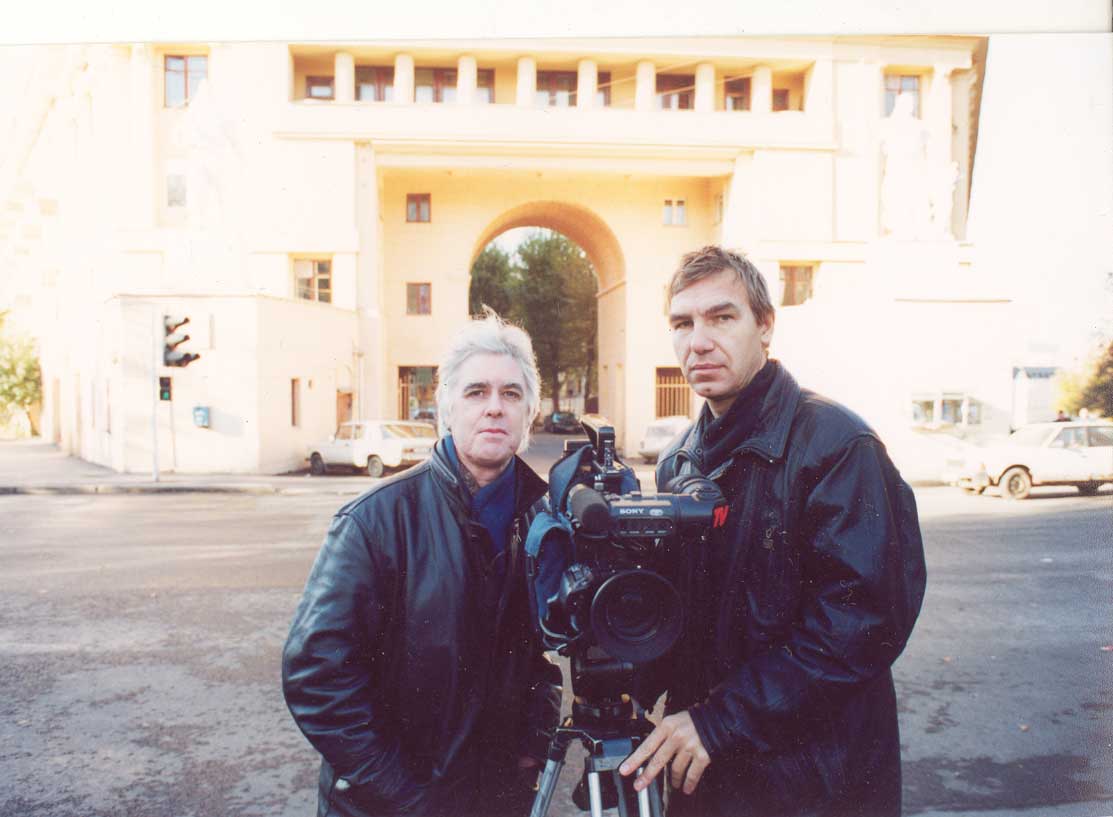
When I began to make films in Russia in the mid 1990s, I was prepared for all kinds of problems but none of the problems I subsequently encountered. I had already worked in the UK for many years in the film and television industry. I finally decided to move to Moscow to make films and to write. The first two years was a question of finding my feet both linguistically and culturally in a city and a society which was undergoing a total transformation. I had an advantage in that I had already learnt Russian language at school and also had worked in St Petersburg for almost four months on a BBC Drama in 1993. It was this experience which decided me to move to Russia, albeit Moscow. All the same there is a great difference between working in Russia with all the support that a paid position offers and actually living day by day in an alien environment. As I already mentioned the first two years were a case of acclimatization. Just as I ran out of money during my first winter in Moscow in a tiny room in a large apartment built in the Stalin era, I was offered a job on a feature film “The Saint”. This got me through the worst deprivations of that first year. It wasn’t so bad in reality. The apartment was warm and the old lady who owned it, let me live my life as I pleased without interfering. As long as I paid the rent, that’s all she worried about.The job on the “Saint” ended and a BBC film “The Stringer” started shortly afterwards in Moscow and I worked on this film for the next six months and by the time the following winter arrived I was in a better financial position than the previous winter. I had also got into the Moscow rhythm of life so that even the financial collapse of 1998 passed me by more or less unnoticed as it did many Russians who considered it just another one of those things which they had to cope with.However I felt it was time to start on my own work and make a film. That was one of the main reasons I came to Moscow. When I was working in Warsaw I was introduced to Zygmunt Malanowicz, who played the role of “the young man” in Roman Polanski’s first film “Knife in the Water”. I asked him why he didn’t go to Hollywood with Polanski when he had the opportunity. He wasn’t able to give me a good answer but he said he was much happier making feature films in Minsk for under $70,000 than spending his time in Hollywood. It was one of those moments which opened my eyes to a whole new set of possibilities for making films outside the usual political system for raising money for film projects. Also the aesthetic of Eastern European and Russian Film making appealed to many of my sensibilities. So now I was in Moscow with all kinds of ideas for making films but where to start. I became interested in the Russian avant-garde of the 1920s and 30s and by chance picked up a book in the Tretiykov Gallery about the avant-garde artist and photographer Alexander Rodchenko. What attracted me to him especially was that he gave up painting for photography, denouncing paining as “finished” and unfit to express the modern social and visual realities of life in the early 19th century with its speed and industrial cityscape’s and mass culture. Photography he believed could better express and embody this reality and Rodchenko set about experimenting with new techniques of photography and photo collage, exploring new visual territory in his home in Moscow. What especially interested me about Rodchenko was that he denied the value of painting and art as a matter of principle and this I thought would be a good starting point for a film.I decided there and then to make a film about Rodchenko and his work. I gathered together some money and began researching Rodchenko’s work and managed to find a good camera operator, Valentin Savenkov. I wrote a script showed it to Valentin and worked out where and what in Moscow I wanted to film. This was relatively straight forward at that time.The first day of filming around Moscow was not good. After about an hour it began to rain and didn’t stop for four hours. I had checked the weather forecast but light drizzle was all that was expected. A week later we tried again. It was mid october and the weather was perfect. A deep blue sky, such as you only get in Russia at that time of the year when the air is cold, crisp and clear. Perfect weather for the kind of effect that I wished to bring to the film. Sharply defined edges of light and shade to give volume to the composition of shots and which would compliment Rodchenko’s photographs. One of the hallmarks of Rodchenko’s work is the balance between light and shade, volume and line all of which are contained within the composition of the photograph and its subject. Nothing needs to be added or taken away afterworlds, no effect or mystification is necessary everything exists already in the photograph and its compositional value giving a visual power and strength which is immediately apparent.The real problem came when I decided that I wanted to film a dramatisation of Rodchenko using an actor. I had a venue where I could film – a small room in a Museum which had a desk exactly like one in a photograph with Rodchenko working in his study. 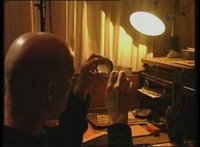
Features of the Russian avant-garde.
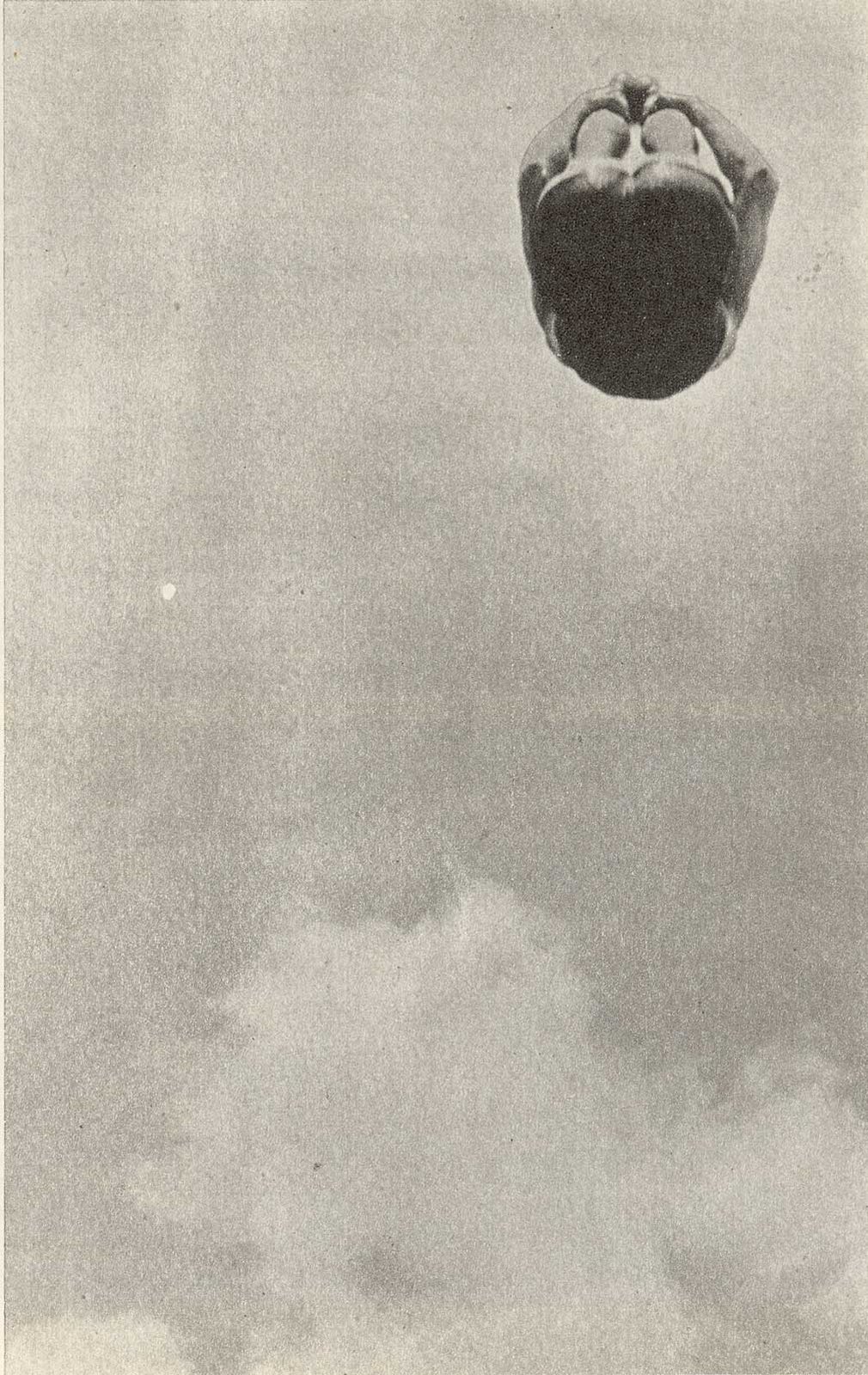
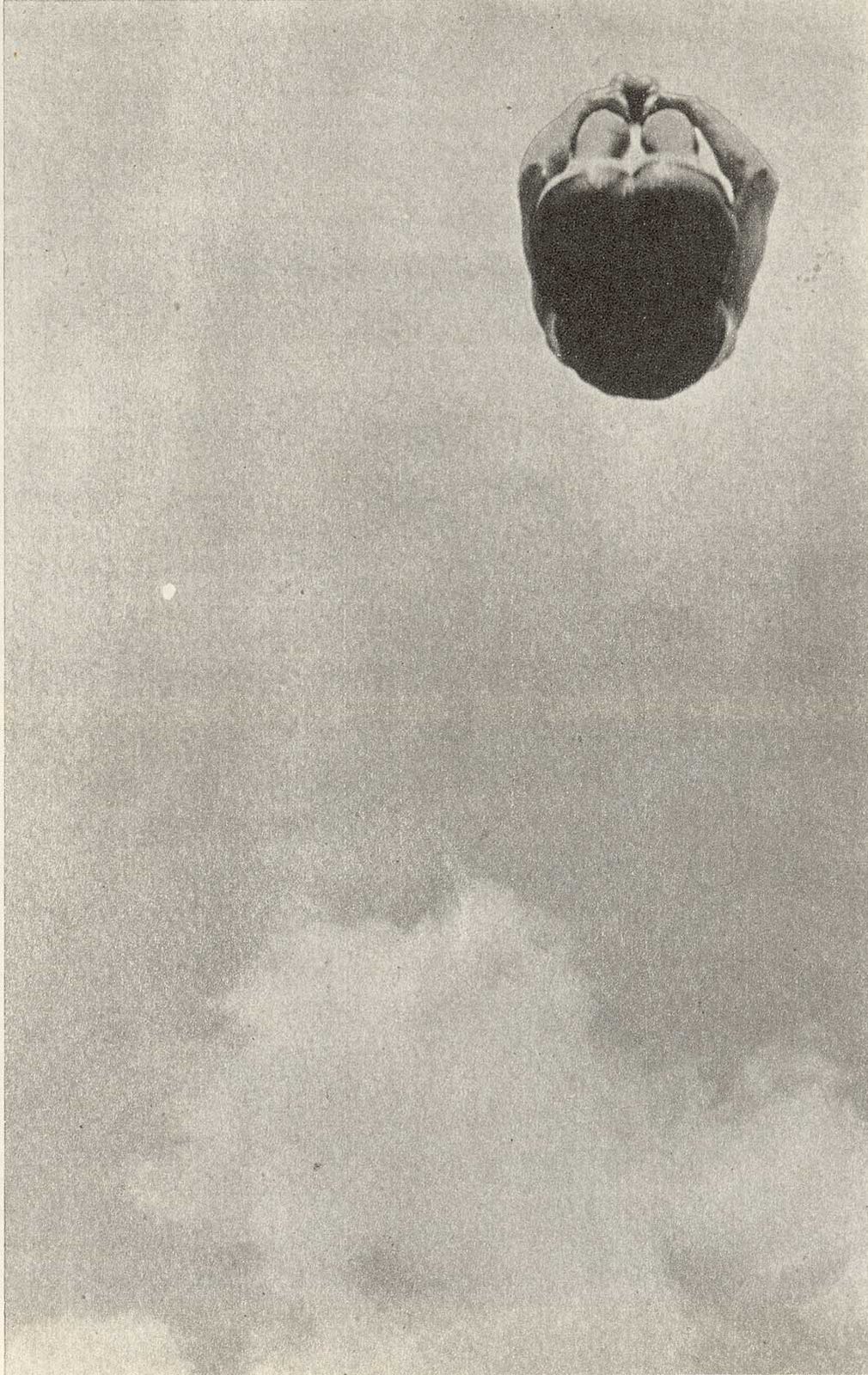
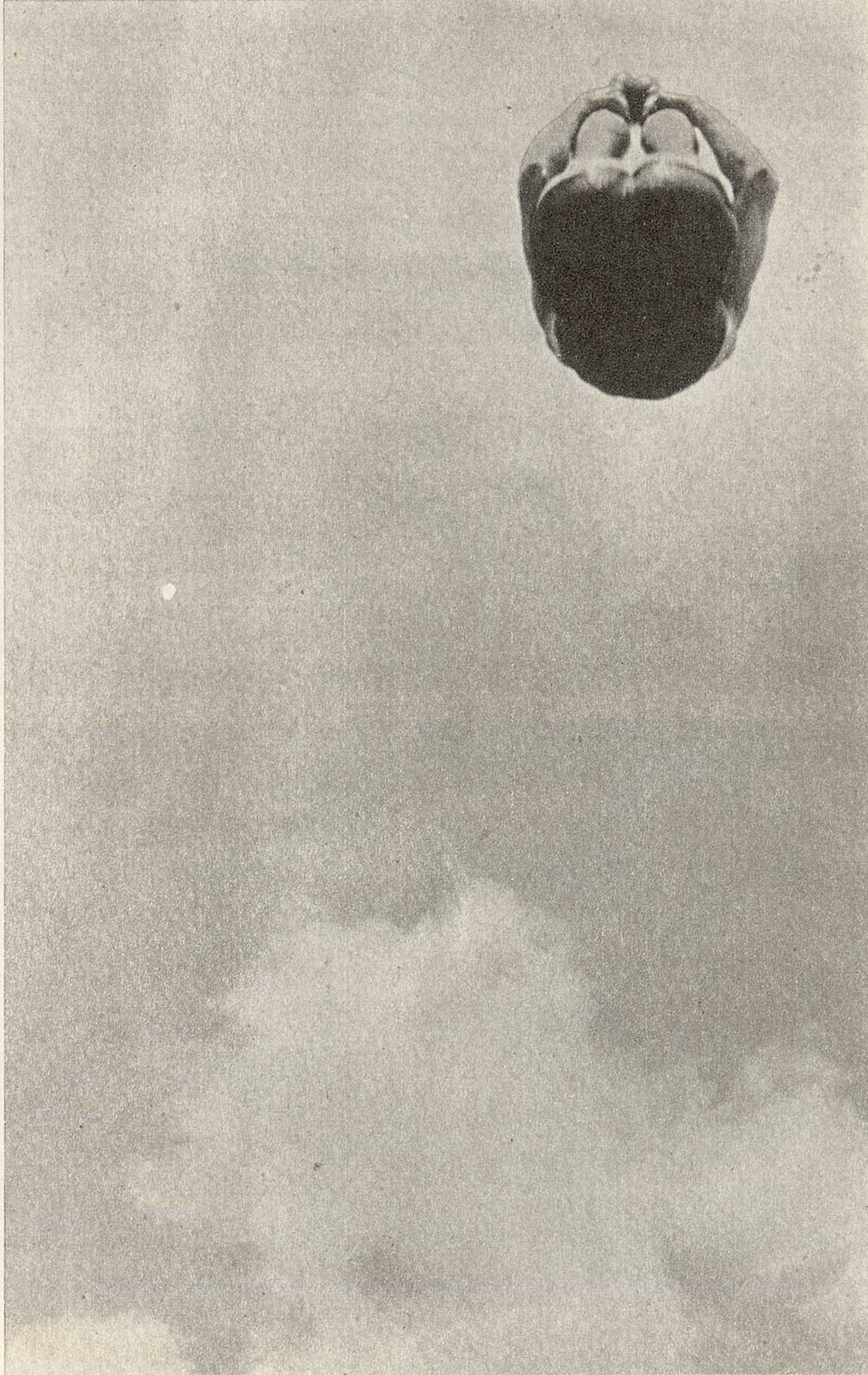
Features of the Russian avant-garde. One of the important things to remember about Rodchenko and his co artists was that they sought to de-mystify art, to reveal its most fundamental character, its reality, exposing its materials and processes. And they attempted to engage the viewer in a direct and unmediated experience. There was no attempt to represent an outside reality or a reality which was doctored in the developing process, with the viewer responding only to what was in front of them. As a communist his idea of photographic truth would have satisfied many of Rodchenko’s ideological and concerns as well as his “aesthetic” quest for truth.Rodchenko used qualities already inherent in the subject – light,shade, volume. line, contrast etc and drew the viewers attention to these qualities by his system of Rakursy or perspectives i.e. using the angle from which the object is photographed to maximize the compositional value of the subject or the visual dynamics of the subject without falsifying it. In other words these qualities are already inherent in the subject and the camera is used merely to bring out these qualities in new and interesting ways – to make the usual unusual and and make the unusual usual. Rodchenko was against manipulating the technical capacities both in photography and and developing stages by interfering unduly in the process to produce effects, which would distort the reality of the subject. “Rakursy” exploited the visual “laws” already given in the everyday world as seen by human beings. The function of the camera is to exploit these laws, volume, light shade, rhythm etc) to the maximum advantage for presenting the subject to the viewer. Not arbitrarily as Rodchenko was often accused of doing but consciously and deliberately. As Rodchenko himself noted. “These laws have always existed even though they are hard to describe and explain.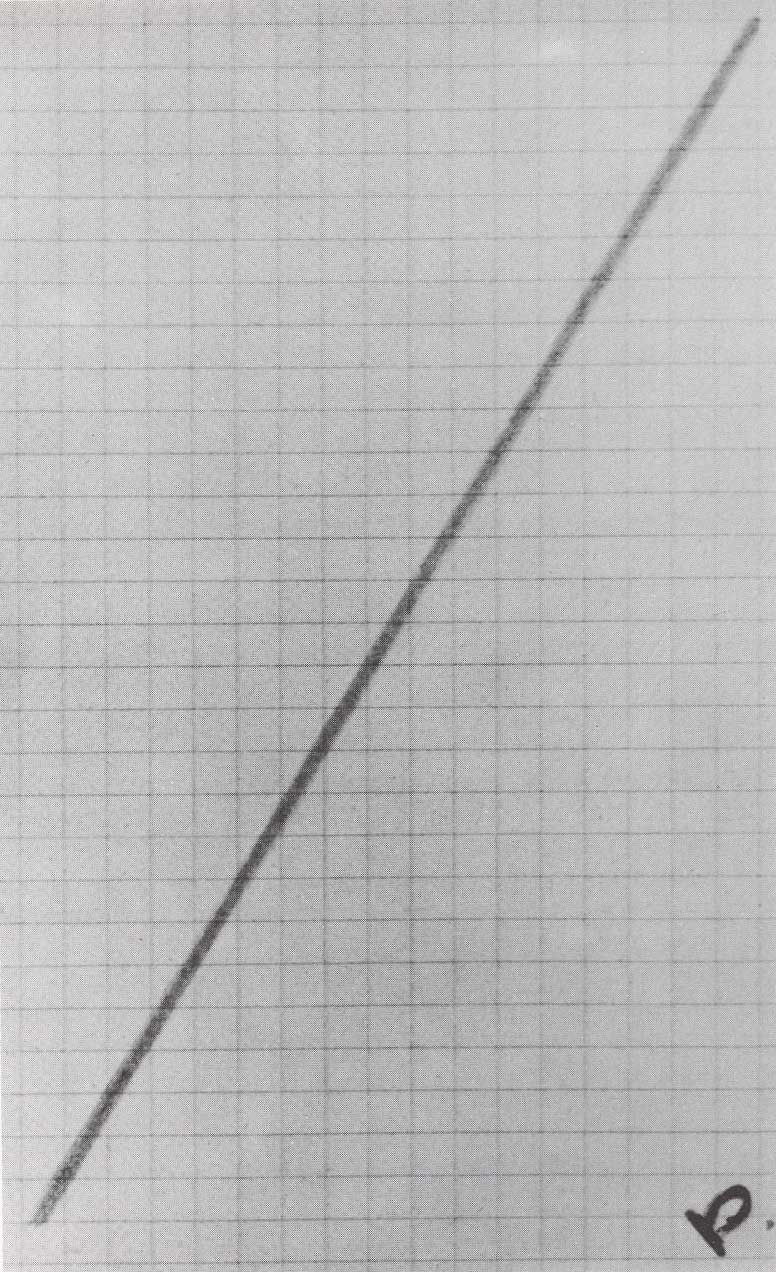 For instance there is one picture of a diver on an ascending upswing before descending into the water. The diver is placed in the far right hand corner and the question arises why not in the center or in the left hand corner or to the side. Rodchenko consciously exploits two of the specific features of human perception.
In western culture we read from left to right. The placing of the figure in the top right hand corner creates a natural dynamic drawing our vision upwards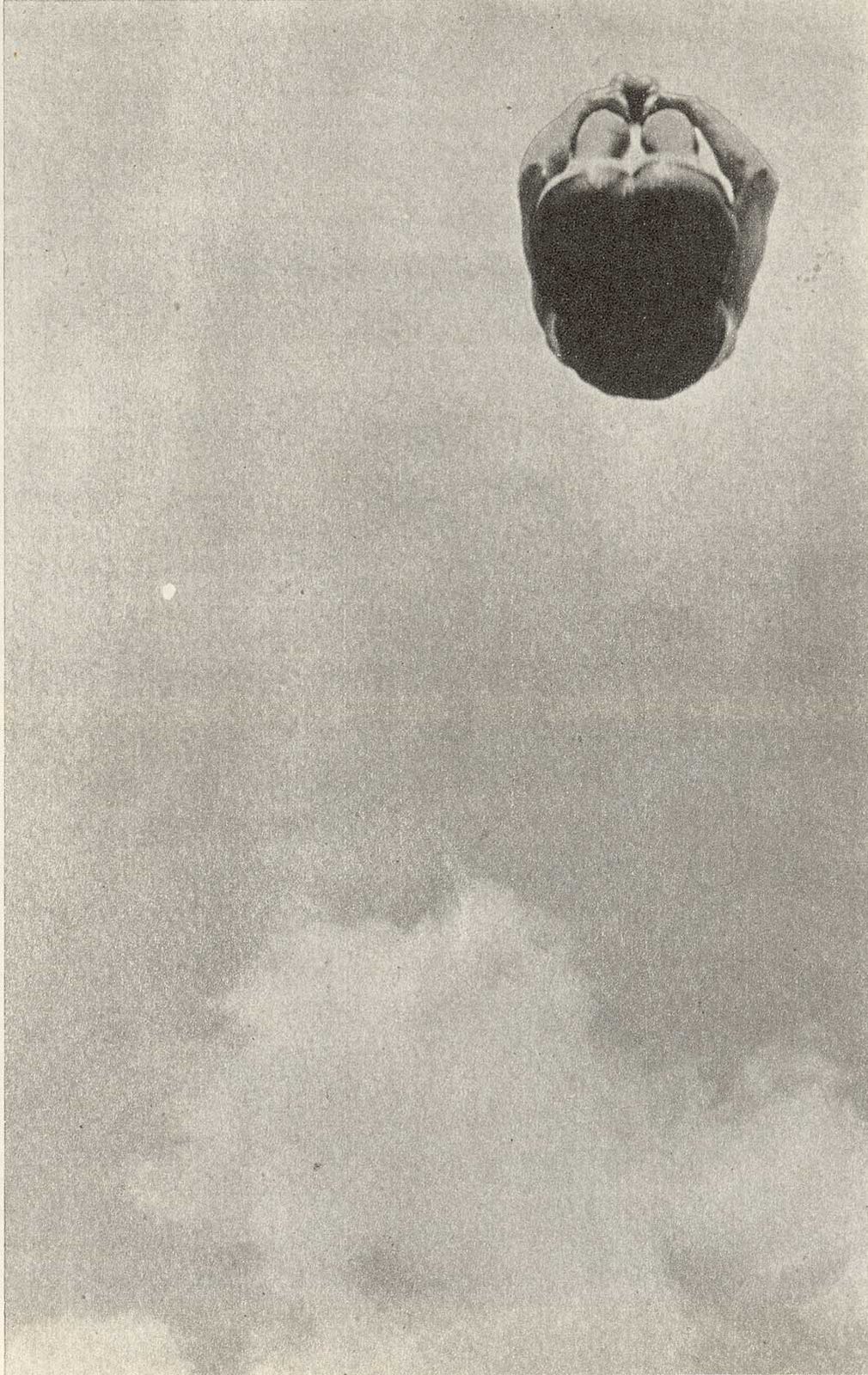 to the rising figure. We seem to be looking up as if we were at the event itself staring up as a spectator even though we are looking at the photograph square on. Secondly the illusion of motion is purposely created from a still image, which at that time was an innovative and bold approach to photography which today we very much take for granted . Its not clear if they are connected but Rodchenko’s sketch on a note pad on the left hand side seems to show how important these geometric “laws” were for Rodchenko’ approach to photography.

 Copernicus Films